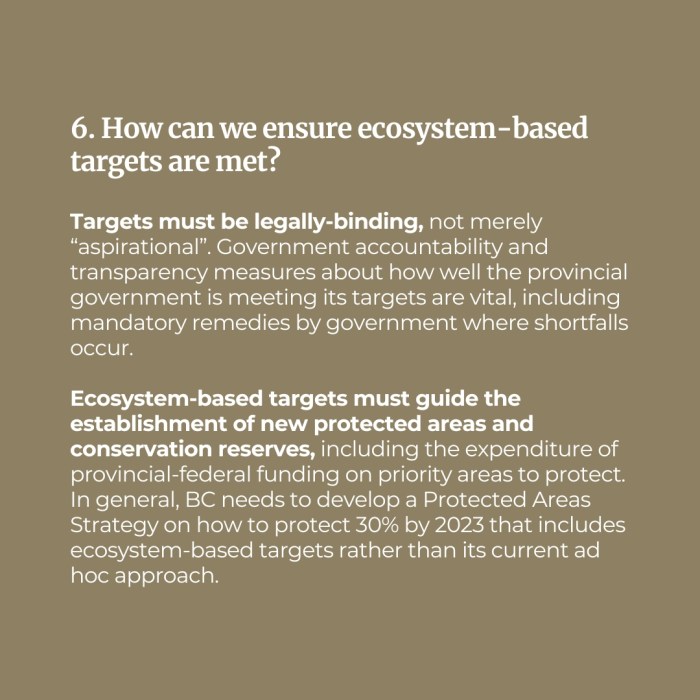
Exploring Biodiversity and ecosystems reveals a vibrant tapestry of life that sustains our planet. This intricate web not only showcases the variety of living organisms but also emphasizes the essential roles they play in maintaining ecological balance. Understanding the concept of biodiversity, along with its various levels—genetic, species, and ecosystem diversity—offers insight into the myriad ways life interacts and thrives.
Moreover, recognizing the threats faced by biodiversity, from habitat destruction to climate change, allows us to comprehend the significant impact on ecosystems. By appreciating these connections, we can better understand why conserving biodiversity is vital for the health of our environment and our own existence.
The Role of Ecosystems
Ecosystems play a pivotal role in maintaining the balance of life on Earth, providing essential functions and services that support various forms of life. From forests and wetlands to coral reefs and grasslands, each ecosystem contributes uniquely to the planet’s health and biodiversity. These natural systems not only sustain life but also offer invaluable services that humans rely on daily.The functions of ecosystems are diverse and complex, encompassing processes that regulate the environment, support species, and enhance overall biodiversity.
Ecosystems provide critical services such as nutrient cycling, soil formation, water purification, and climate regulation. Through these processes, ecosystems contribute to the well-being of all organisms, including humans. Healthy ecosystems also promote resilience, enabling environments to withstand and recover from disturbances like natural disasters or climate change.
Functions and Services of Ecosystems
Understanding the various functions and services provided by ecosystems is crucial for recognizing their importance. Here are some key services that ecosystems offer:
- Nutrient Cycling: Ecosystems facilitate the transfer and recycling of nutrients, ensuring that essential elements like nitrogen and phosphorus are available for plant and animal growth.
- Water Filtration: Wetlands and forests filter pollutants from water, improving water quality and providing clean drinking water sources.
- Carbon Sequestration: Forests and oceans capture and store atmospheric carbon dioxide, mitigating climate change effects.
- Habitat Provision: Diverse ecosystems provide habitat for myriad species, contributing to global biodiversity.
- Pollination Services: Many ecosystems support pollinators that are vital for the reproduction of plants, including many crops essential for human consumption.
Interdependence of Species
The interdependence of species within ecosystems is a defining feature that shapes biodiversity. Each species plays a role in maintaining the structure and function of the ecosystem, creating intricate relationships that support life. These relationships often include predation, competition, symbiosis, and mutualism.For instance, in a coral reef ecosystem, various species rely on each other for survival. Coral polyps provide habitat for fish, while fish help keep coral healthy by controlling algal growth.
This interdependence illustrates how the loss of one species can have cascading effects on the entire ecosystem, highlighting the importance of preserving biodiversity.
“The delicate balance of ecosystems showcases the intricate web of life, where every species is interlinked, reinforcing the need for biodiversity conservation.”
Ecosystem Resilience and Biodiversity Conservation
Ecosystem resilience refers to the ability of an ecosystem to recover from disturbances while maintaining its essential functions and services. Resilient ecosystems are often rich in biodiversity, as a diverse array of species can help stabilize food webs and ecological processes.Examples of ecosystem resilience can be observed in various biomes. For instance, after a forest fire, resilient ecosystems can regenerate and restore themselves over time, supporting a wide range of species.
Similarly, coral reefs have shown remarkable recovery ability after bleaching events, provided that conditions remain favorable. These examples highlight the vital link between biodiversity and ecosystem resilience, underscoring the necessity of conservation efforts to protect diverse habitats and species.By fostering ecosystem resilience through conservation strategies, we can enhance the capacity of ecosystems to adapt to changing conditions, ensuring the continued provision of essential services and the survival of biodiversity for future generations.
Interdisciplinary Approaches to Biodiversity and Ecosystems
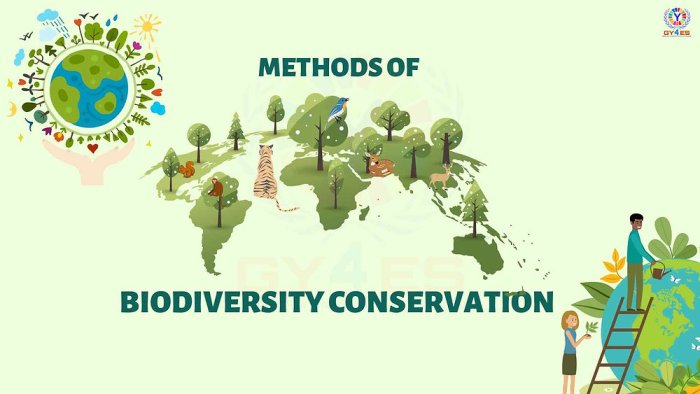
The interplay between biodiversity and ecosystems is profoundly complex, requiring an interdisciplinary approach to fully understand and address. By integrating various fields of study—ranging from social sciences to natural sciences—researchers can develop a more holistic view of ecosystem dynamics and biodiversity conservation. This framework not only enhances our understanding but also informs effective policy-making and educational initiatives.
Framework for Integrating Social and Empirical Sciences
A robust framework for integrating social and empirical sciences into biodiversity research involves several key components. This approach recognizes that human behavior, societal structures, and empirical data are all critical to understanding ecosystems.
- Collaborative Research Programs: Establish partnerships between ecologists, sociologists, and anthropologists to co-develop research questions that address both ecological and social dimensions of biodiversity.
- Participatory Action Research: Engage local communities in the research process to ensure that social values and traditional ecological knowledge are incorporated into biodiversity studies.
- Policy Integration: Utilize empirical findings to inform public policy, emphasizing the importance of community involvement in conservation efforts.
Methods from Natural and Physical Sciences
Natural and physical sciences offer a range of methods that enhance our understanding of ecosystems. These methods enable researchers to analyze complex interactions within ecosystems and their responses to changes.
- Remote Sensing: Utilizes satellite imagery to monitor changes in land cover and species distribution over time, helping identify critical habitats and assess human impacts on ecosystems.
- Ecological Modeling: Employs mathematical models to simulate ecosystem processes, allowing predictions of how changes (like climate change) can affect biodiversity.
- Field Experiments: Conducts controlled experiments in natural settings to observe direct impacts of variables such as pollution or invasive species on biodiversity.
Incorporating Computer Science Education
Integrating computer science education into biodiversity conservation can significantly enhance data analysis and management capabilities. This is crucial for addressing biodiversity loss effectively.
- Data Science Courses: Develop curricula that focus on data analysis, machine learning, and statistical methods to prepare students for roles in biodiversity research.
- Software Development Projects: Encourage students to create applications that facilitate data collection and sharing among conservationists and researchers.
- Interdisciplinary Workshops: Provide training sessions that combine ecology with computer science, focusing on real-world problems in biodiversity management.
Comparing Anomalies in Ecosystems
Examining anomalies in ecosystems through alternative scientific methods can yield valuable insights into biodiversity dynamics. By understanding these anomalies, researchers can better assess ecosystem health.
- Comparative Analysis: Conduct studies comparing ecosystems that have experienced disturbances (e.g., oil spills) with those that have not to identify resilience factors.
- Longitudinal Studies: Track changes in specific species populations over time in different environments to evaluate the effects of environmental stressors.
- Citizen Science: Engage the public in monitoring biodiversity changes, providing additional data to help identify anomalies that may not be captured by traditional research methods.
Educational Strategies for Future Generations
Training future generations in biodiversity and ecosystem management is vital for sustainable conservation efforts. Educational strategies should focus on building skills and awareness.
- Hands-On Learning: Implement field-based learning experiences that allow students to engage directly with ecosystems, fostering a deeper understanding of biodiversity.
- Multidisciplinary Curriculum: Design programs that integrate biology, chemistry, geography, and social sciences to provide a comprehensive perspective on ecosystems.
- Community Engagement Projects: Encourage students to participate in local conservation projects to apply their knowledge and contribute to real-world solutions.
Outcome Summary
In summary, the interplay between Biodiversity and ecosystems is a crucial aspect of life on Earth, emphasizing the need for holistic approaches to conservation. By integrating social, natural, and empirical sciences, we can foster a deeper understanding of these relationships and equip future generations with the knowledge necessary to protect our planet. As we navigate the challenges ahead, embracing biodiversity will be key for a sustainable future.
Answers to Common Questions
What is biodiversity?
Biodiversity refers to the variety of life forms on Earth, including diversity within species, between species, and of ecosystems.
Why is biodiversity important?
Biodiversity is crucial for ecosystem functioning, providing services such as food, clean water, and climate regulation, which support human life.
How are biodiversity and ecosystems connected?
Biodiversity contributes to the resilience and productivity of ecosystems, while healthy ecosystems support diverse forms of life.
What are the main threats to biodiversity?
Main threats include habitat loss, pollution, climate change, invasive species, and overexploitation of resources.
How can individuals help preserve biodiversity?
Individuals can help by supporting conservation efforts, reducing waste, using resources sustainably, and educating others about the importance of biodiversity.


