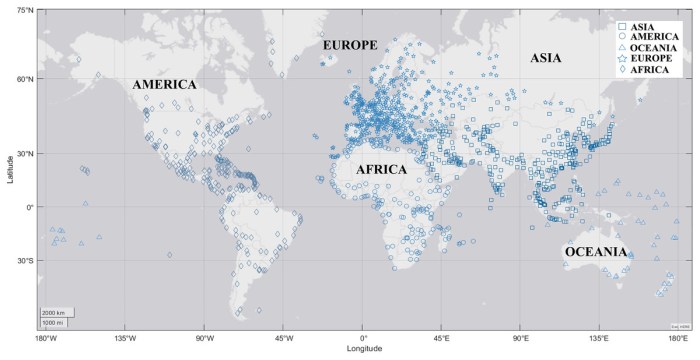
Beginning with Geospatial data science, the narrative unfolds in a compelling and distinctive manner, drawing readers into a story that promises to be both engaging and uniquely memorable.
This field is a dynamic intersection of technology and data analysis, crucial for understanding spatial phenomena. As our world becomes increasingly interconnected, the role of geospatial data science has expanded, influencing various sectors such as urban planning, environmental management, and disaster response.
Geospatial Data Science Fundamentals
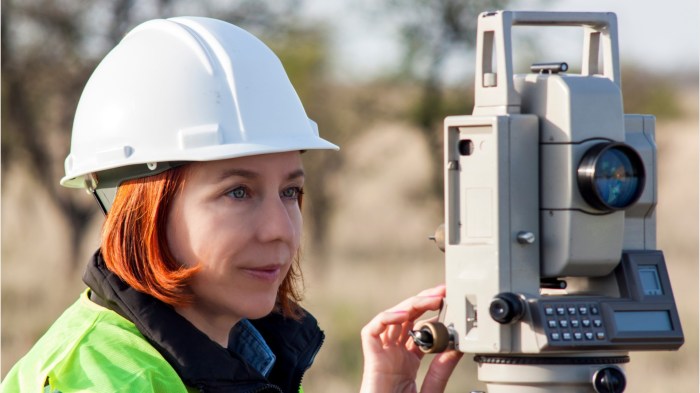
Geospatial data science plays a vital role in various fields by combining geographical information with data science techniques. In modern research, it allows for the analysis and visualization of complex spatial data, enabling better decision-making and problem-solving across numerous disciplines. This intersection of technology, geography, and analytical methods has transformed how we understand and interact with the world around us.The relationship between geospatial data science and the natural and physical sciences is profound.
These sciences rely heavily on spatial data to understand patterns and relationships within the environment. For instance, geospatial data science supports disciplines like environmental science, urban planning, and meteorology, where the spatial component is critical for accurate modeling and predictions. By utilizing data science methods, researchers can uncover insights that may not be apparent through traditional analytical techniques.
Key Techniques and Technologies in Geospatial Data Analysis
Various techniques and technologies are integral to effective geospatial data analysis. Understanding these methods enhances the ability to extract valuable insights from spatial data. The following techniques are commonly used:
- Geographic Information Systems (GIS): GIS technology enables the visualization, analysis, and interpretation of spatial data. By layering different datasets, users can uncover relationships and trends that inform decision-making processes.
- Remote Sensing: This technique involves acquiring data from satellite or aerial imagery, allowing for analysis of large geographical areas. Remote sensing is particularly useful in environmental monitoring, disaster management, and agriculture.
- Spatial Statistics: Spatial statistical methods help analyze and model spatial data. They allow researchers to identify patterns, trends, and correlations that may exist within the data, leading to more nuanced conclusions.
- Machine Learning: Machine learning algorithms can handle vast amounts of geospatial data and identify patterns that may not be easily recognizable. Applications include predictive modeling and classification tasks in various fields, from urban development to environmental conservation.
- 3D Visualization: Advanced visualization techniques, including 3D mapping and modeling, provide insights into complex spatial relationships. This technology is especially beneficial in areas like urban planning and geology, where understanding terrain and elevation is crucial.
The integration of these techniques has revolutionized many research areas, enabling more informed decisions and enhanced understanding of spatial phenomena. For instance, urban planners use GIS and spatial statistics to optimize city layouts, while environmental scientists leverage remote sensing to monitor ecosystem changes over time. The synergy of these approaches leads to innovative solutions for contemporary challenges.
Applications of Geospatial Data Science
Geospatial data science has become a pivotal discipline across various sectors, leveraging spatial data to enhance our understanding of complex phenomena. By integrating location-based information with analytical techniques, we can uncover patterns and insights that guide decision-making and improve outcomes in numerous fields. This section explores the diverse applications of geospatial data science within social and empirical sciences, focusing on urban planning, environmental management, disaster response, and risk assessment.
Urban Planning and Environmental Management
The integration of geospatial data in urban planning and environmental management plays a critical role in optimizing resource allocation and enhancing livability. City planners utilize geospatial tools to visualize and analyze spatial relationships, helping to identify trends and inform policy decisions. The importance of geospatial data in urban planning is highlighted through its application in:
- Land Use Planning: By using geospatial analytics, planners can identify suitable areas for residential, commercial, and recreational developments, ensuring efficient land use.
- Transportation Management: Geospatial data assists in optimizing public transportation routes and reducing traffic congestion, ultimately improving mobility and accessibility for residents.
- Environmental Impact Assessment: Spatial data helps evaluate potential environmental impacts of proposed projects, enabling planners to mitigate negative effects on ecosystems.
In terms of environmental management, geospatial data supports:
- Conservation Efforts: It aids in tracking wildlife populations and habitats, allowing for more effective conservation strategies.
- Resource Management: Geospatial tools enable better monitoring of natural resources like water and minerals, ensuring sustainable use.
“The integration of geospatial data is essential for making informed decisions in urban environments, enhancing both efficiency and sustainability.”
Disaster Response and Risk Assessment
Geospatial data science significantly enhances the capabilities of disaster response and risk assessment by providing real-time information and spatial analysis during emergencies. This technology allows for better preparedness and mitigation strategies, ultimately saving lives and reducing economic losses.Key applications in disaster response include:
- Real-Time Monitoring: Geospatial data enables continuous monitoring of natural disasters such as floods and wildfires, allowing for timely evacuations and relief efforts.
- Damage Assessment: After a disaster, geospatial analytics can be used to map affected areas, facilitating quicker and more effective response strategies.
- Resource Deployment: Spatial analysis helps in identifying optimal locations for resource allocation and distribution, ensuring that aid reaches those in need promptly.
In risk assessment, geospatial data plays a crucial role in:
- Hazard Mapping: Identifying high-risk areas for natural disasters through spatial modeling aids in developing risk mitigation plans.
- Vulnerability Assessment: Analyzing social and economic data alongside geographical information helps identify communities that are most vulnerable to disasters.
“Effective disaster management hinges on the utilization of geospatial data to inform and enhance response strategies.”
Educational Aspects of Geospatial Data Science
The integration of geospatial data science into educational curricula is essential for preparing the next generation of data scientists. As geospatial data becomes increasingly vital across various industries, educational programs must evolve to encompass both theoretical knowledge and practical skills in this domain. This section delves into designing curricula, training programs, and a list of resources that provide a solid foundation in geospatial data science.
Curriculum Design for Geospatial Data Science
Designing a curriculum that combines computer science education with geospatial data science requires careful consideration of key topics that bridge both fields. The curriculum should emphasize programming skills, data analysis, and geographic information systems (GIS). Core components could include:
- Introduction to Geographic Information Systems (GIS)
- Data Structures and Algorithms
- Spatial Data Analysis Techniques
- Remote Sensing and Image Processing
- Machine Learning Applications in Geospatial Data
- Web Mapping and Geospatial Applications Development
The curriculum can also include project-based learning experiences where students work on real-world geospatial problems, allowing them to apply their skills in practical scenarios.
Training Programs and Workshops
Training programs and workshops are vital for professionals looking to enhance their skills in geospatial data analysis. These programs can vary in length and focus, offering participants hands-on experience with the latest tools and techniques. Effective training programs should cover:
- Fundamentals of GIS and Spatial Analysis
- Advanced Geospatial Data Handling with Python or R
- Using Cloud Platforms for Geospatial Analysis
- Data Visualization Techniques for Geospatial Data
- Best Practices for Geospatial Data Management
Organizations can collaborate with universities and industry experts to create workshops that are tailored to specific needs, ensuring participants leave with actionable skills.
Resources and Tools for Learning Geospatial Data Science
A well-rounded education in geospatial data science relies on diverse resources and tools. The following list encompasses critical resources that can aid learners in gaining proficiency:
- Books: “Geospatial Data Science with Python” and “GIS Fundamentals” are excellent starting points for both beginners and advanced learners.
- Online Courses: Platforms like Coursera and Udacity offer specialized courses on GIS and data analysis that provide structured learning paths.
- Software Tools: Familiarity with tools like QGIS, ArcGIS, and PostGIS is essential for practical application of geospatial concepts.
- Online Communities: Joining forums and platforms such as GIS Stack Exchange and GitHub can provide support and networking opportunities for learners.
- Tutorials and Documentation: Resources like ESRI’s ArcGIS documentation and Python libraries like GeoPandas offer hands-on tutorials for real-world applications.
Recognizing and utilizing these resources can significantly enhance one’s understanding and capabilities in the field of geospatial data science.
Conclusive Thoughts
In summary, Geospatial data science not only enhances our understanding of complex spatial relationships but also empowers decision-makers by providing critical insights. As technology continues to evolve, the potential applications of this field are limitless, making it an exciting area for future exploration and development.
Top FAQs
What is geospatial data science?
Geospatial data science is the study and analysis of spatial data using advanced computational methods to derive insights and inform decision-making.
How is geospatial data collected?
Geospatial data can be collected through various methods, including satellite imagery, GPS tracking, and survey data.
What tools are commonly used in geospatial data science?
Common tools include GIS software, remote sensing technologies, and programming languages like Python and R for data analysis.
What industries benefit from geospatial data science?
Industries such as urban planning, environmental management, agriculture, and emergency services significantly benefit from geospatial data science.
How do I start learning geospatial data science?
Begin by exploring online courses, attending workshops, and utilizing resources like books and software tools that focus on geospatial analysis.


