
Public opinion trends set the stage for this enthralling narrative, offering readers a glimpse into a story that is rich in detail. Understanding how public sentiment evolves can reveal much about the dynamics of society, the influence of media, and the impact of social movements.
This exploration dives into how public opinions sway policy-making, guide educational reforms, and influence scientific research and environmental attitudes. By dissecting these trends across various domains, we uncover the intertwined relationship between public perceptions and societal progress.
Public Opinion Trends in Social Sciences
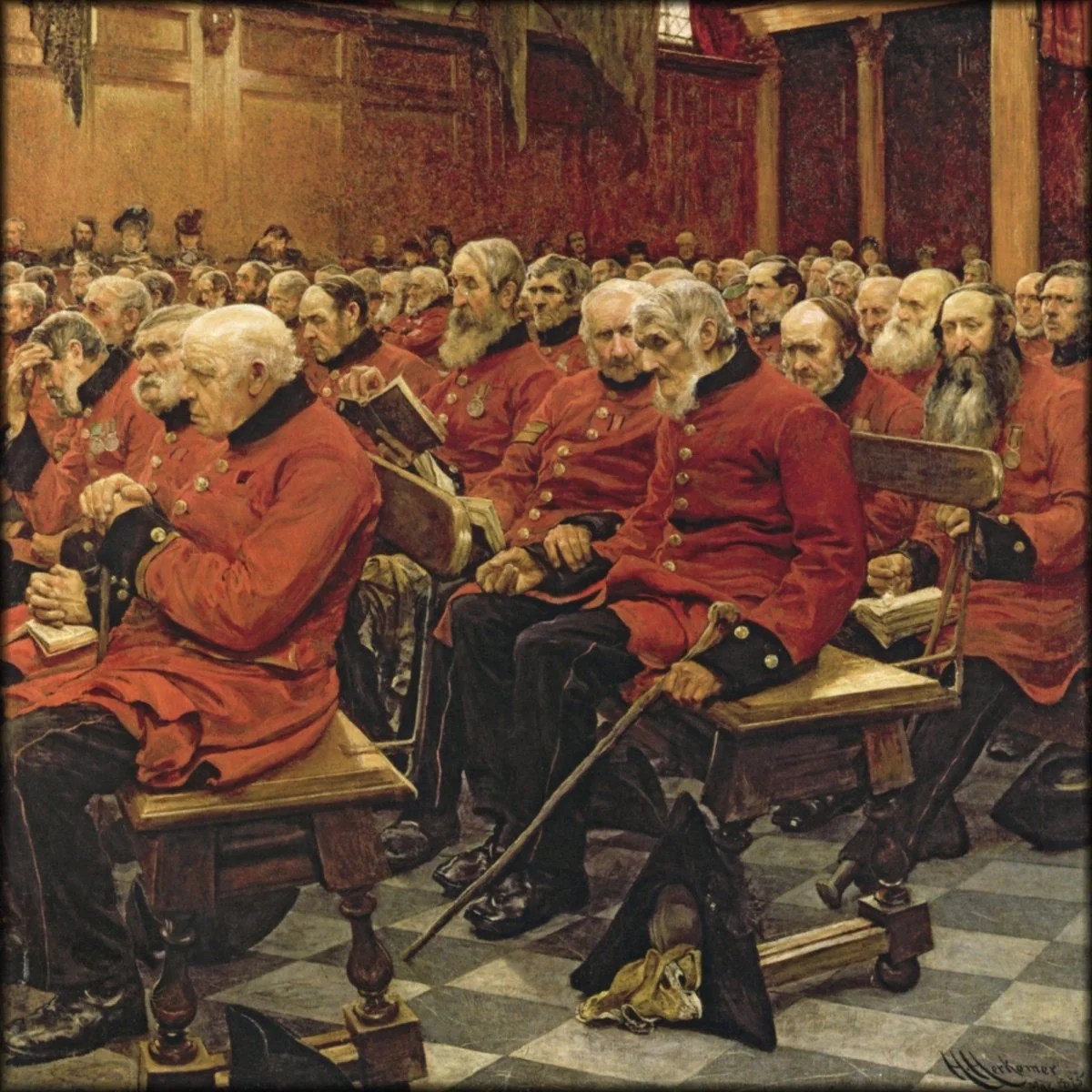
Public opinion trends are vital to understanding the dynamics of contemporary society, particularly in the field of social sciences. These trends not only reflect the collective attitudes of the populace but also serve as indicators of how societal values evolve over time. Analyzing these trends provides insights into the ways public sentiment can shape and influence policy-making, social movements, and media narratives.
Impact of Public Opinion Trends on Policy-Making Decisions
The influence of public opinion on policy-making is significant, as policymakers often consider public sentiment when formulating new laws or adjusting existing ones. Elected officials and government bodies strive to align their decisions with the views of their constituents to secure support and maintain legitimacy. Key points about this influence include:
- Public polls often guide legislators on contentious issues, compelling them to take action that reflects the majority opinion.
- Changes in public sentiment can lead to shifts in policy priorities, especially during election cycles when officials seek to appeal to voters.
- When public opinion strongly favors or opposes a specific issue, it can prompt immediate legislative responses or long-term policy shifts.
Role of Social Movements in Shaping Public Opinion
Social movements play a crucial role in shaping and evolving public opinion over time. They often emerge as grassroots efforts to address perceived injustices or advocate for change, harnessing collective action to influence societal norms and expectations.Factors contributing to this process include:
- Movement leaders and activists utilize various platforms to raise awareness, mobilize supporters, and reshape narratives around issues such as civil rights, environmental justice, and gender equality.
- Successful social movements can alter public perceptions, transitioning once-marginal viewpoints into mainstream acceptance.
- As movements gain visibility, they often catalyze broader discussions and encourage individuals to reevaluate their beliefs and attitudes.
Influence of Media on Public Perceptions and Attitudes
Media serves as a powerful tool in shaping public perceptions and attitudes, acting as both a mirror and a molder of societal views. The way issues are presented through various media outlets can significantly influence public opinion.Important aspects of media influence include:
- Media framing can shape the context in which issues are understood, highlighting certain aspects while downplaying others to sway public perception.
- Social media platforms have accelerated the dissemination of information, allowing for rapid sharing of differing perspectives and sometimes polarizing opinions.
- Media coverage can legitimize certain viewpoints, establishing them as socially acceptable or unacceptable, which subsequently influences collective attitudes.
The interplay between public opinion, social movements, and media not only defines societal norms but also underscores the transformative power of collective sentiment in shaping policy and public discourse.
Public Opinion Trends in Natural and Physical Sciences
Public opinion plays a pivotal role in shaping the landscape of natural and physical sciences. This influence extends to funding, research priorities, and public engagement with scientific issues. A well-informed public can lead to robust support for scientific initiatives, while misconceptions or lack of knowledge can hinder progress in critical areas. Understanding these trends is essential for fostering a productive dialogue between scientists and the community.
Impact of Public Opinion on Scientific Research Funding
Public perception directly affects the allocation of funding for scientific research. Research projects often rely on government grants, private investments, and donations, all of which can be influenced by how the public views science and its relevance to their lives. Key points include:
- Influence of Advocacy: Advocacy groups often shape public opinion, which can lead to increased funding for specific scientific fields that resonate with the public’s interests, such as renewable energy or medical research.
- Public Awareness Campaigns: Campaigns that educate the public about scientific issues can lead to increased support for funding initiatives, exemplified by movements pushing for climate change research funding.
- Response to Crises: Events like pandemics can dramatically shift public opinion, as seen during the COVID-19 pandemic, leading to unprecedented levels of funding for health and vaccine research.
Public Perception of Environmental Issues and Climate Change
The public’s understanding and perception of environmental issues, particularly climate change, are crucial for effective policy implementation. Several factors influence this relationship:
- Media Representation: How environmental issues are covered in the media can significantly impact public perception, often creating a disconnect between scientific consensus and public understanding.
- Personal Experiences: Individuals who experience extreme weather events or local environmental changes are more likely to acknowledge climate change and support related policies.
- Educational Initiatives: Programs that enhance scientific literacy about climate science can improve public engagement and support for environmental policies.
Comparison Between Public Understanding and Scientific Consensus
There often exists a gap between the public’s understanding of scientific concepts and the actual scientific consensus. This disparity can lead to challenges in addressing key scientific issues. Notable points include:
- Misperceptions: Surveys indicate that many people hold misconceptions about basic scientific principles, such as the greenhouse effect, which can lead to skepticism about climate science.
- Trust in Scientists: Public trust in scientists can influence their willingness to accept scientific findings. This trust can be built through transparency and effective communication.
- Educational Disparities: Access to quality education plays a significant role in shaping how well the public grasps scientific concepts, affecting their opinions on critical issues.
It is essential for scientists to engage with the public to bridge the gap between scientific consensus and public understanding, fostering a culture of informed decision-making.
Public Opinion Trends in Education and Training
In the dynamic landscape of education and training, public opinion plays a crucial role in shaping curricula and instructional methodologies. As society evolves, so do the expectations and preferences of learners and their communities. Understanding these trends is essential for educational institutions aiming to prepare students for the challenges ahead while aligning with societal needs.Integrating public opinion into curriculum development is vital to ensure that educational content remains relevant and responsive.
By actively seeking input from various stakeholders—such as students, parents, educators, and industry professionals—schools and universities can create learning experiences that resonate with current societal demands. This approach not only enhances engagement but also fosters a sense of ownership among constituents.
Methods for Integrating Public Opinion into Curriculum Development
Incorporating public sentiment into curriculum design involves various strategies that can enhance educational relevance. These methods enable institutions to create a more holistic and responsive educational environment. Key approaches include:
- Conducting surveys and focus groups to gather insights directly from students and parents about their educational preferences and needs.
- Establishing advisory boards that include community members and industry leaders to provide ongoing feedback on curricular relevance and effectiveness.
- Implementing pilot programs that allow for experimentation with new teaching methods or subjects based on public interest before full-scale implementation.
The evaluation of societal needs in relation to educational content ensures that curricula are not only theoretically sound but also practically applicable. This relationship significantly impacts the preparation of students for real-world challenges.
Relationship Between Societal Needs and Educational Content
The alignment between societal needs and educational objectives is critical in ensuring that learners acquire skills that are valued in the workforce. Educational institutions must continually assess and adapt their curricula to reflect the changing landscape of employment and societal expectations. For instance, as technology advances, there is a growing demand for skills in areas like data analysis, coding, and digital literacy.
Educational programs that integrate these skills into their curricula stand to prepare students more effectively for the job market.
“The most successful educational programs are those that evolve alongside societal changes, ensuring that their graduates are equipped with the skills necessary for success.”
Strategies for Gauging and Responding to Public Sentiment
To effectively measure public sentiment and adapt accordingly, educational institutions can implement various strategic initiatives. These strategies facilitate active engagement with the community and foster a culture of responsiveness. Important strategies include:
- Utilizing social media platforms to gather real-time feedback and engage in discussions with stakeholders about educational initiatives.
- Organizing community events and workshops that encourage dialogue between educators and the public, offering insights into community expectations.
- Regularly reviewing performance metrics and feedback from alumni to identify trends in employment and satisfaction that can inform curricular adjustments.
By actively incorporating public opinion into educational frameworks and remaining attuned to community needs, institutions can enhance their relevancy and effectiveness in delivering quality education.
End of Discussion
In summary, the discussion on public opinion trends highlights their significant role in shaping policies, educational content, and scientific endeavors. As we move forward, recognizing these trends can empower communities and leaders to engage more effectively with the public, ultimately leading to informed decision-making and a more responsive society.
FAQ Compilation
What are public opinion trends?
Public opinion trends refer to the patterns and changes in the beliefs and attitudes of the general public over time.
Why are public opinion trends important?
They are crucial because they inform policymakers, educators, and scientists about the public’s priorities and perceptions, enabling better decisions and strategies.
How can public opinion be measured?
Public opinion can be measured through surveys, polls, and social media analysis, providing insights into the sentiments of different demographics.
What factors influence public opinion?
Factors include media coverage, social movements, cultural shifts, and personal experiences that shape individuals’ viewpoints.
How do public opinion trends affect policy-making?
Public opinion trends can significantly influence which policies are prioritized, as elected officials often respond to the concerns and needs expressed by their constituents.


