
Inclusive education strategies set the stage for a transformative approach to learning, where every student, regardless of their abilities or backgrounds, has the opportunity to thrive. This concept is becoming increasingly significant in today’s diverse educational landscape, aiming not just to accommodate, but to embrace the differences that each learner brings to the classroom. By fostering an inclusive environment, educators can enhance the overall learning experience, making it richer and more accessible for all.
At the heart of inclusive education are key principles such as respect for diversity, the promotion of equity, and the commitment to providing individualized support. Educators play a crucial role in this process, utilizing various strategies that not only support students with special needs but also benefit the entire class. The integration of innovative teaching methods and technology further bolsters these efforts, ensuring that every child has the tools they need to succeed.
Understanding Inclusive Education Strategies
Inclusive education is a teaching philosophy that advocates for the integration of all students, regardless of their abilities or backgrounds, into mainstream classrooms. This approach is significant in modern schooling as it fosters an environment where diversity is embraced, ensuring that all students have equal access to quality education. The essence of inclusive education lies in the belief that every child has the right to learn and participate fully in their educational journey, which not only benefits students with disabilities but also enriches the learning experience for all.The key principles that underpin inclusive education practices include valuing diversity, promoting participation, and ensuring access to learning.
By valuing diversity, educational institutions acknowledge and celebrate the unique characteristics each student brings to the classroom. Promoting participation means creating opportunities for every student to engage actively in their learning process, while ensuring access to learning focuses on removing barriers that might hinder a student’s educational experience. These principles work together to create an equitable learning environment conducive to the growth of all students.
Role of Teachers in Implementing Inclusive Education Strategies
Teachers play a crucial role in the successful implementation of inclusive education strategies. Their responsibilities extend beyond traditional teaching methods to encompass the creation of an adaptive learning environment that meets the diverse needs of all students. This involves understanding each student’s individual learning requirements and designing instruction that is flexible and responsive.To effectively implement these strategies, teachers can utilize several approaches:
- Differentiated Instruction: This strategy involves tailoring teaching methods and resources to accommodate the varying needs and learning styles of students. For example, a teacher may provide visual aids, hands-on activities, and verbal explanations simultaneously to cater to auditory and kinesthetic learners.
- Collaboration with Support Staff: Working alongside special education teachers, therapists, and paraprofessionals allows for a more comprehensive support system for students with diverse needs. This collaboration ensures that personalized interventions are integrated into daily lessons.
- Creating an Inclusive Classroom Culture: Establishing a classroom environment that promotes respect, empathy, and understanding is essential. Teachers can implement community-building activities that encourage students to share their experiences and learn from one another.
- Professional Development: Continuous training and development help teachers stay informed about best practices in inclusive education. Engaging in workshops and seminars enables educators to refine their skills and adopt new strategies for supporting all learners.
By embracing these strategies, teachers can foster a learning atmosphere where all students feel valued and capable, ultimately enhancing their educational outcomes and social interactions.
“An inclusive classroom is a transformative space where every student can thrive academically and socially, supported by a community of learners.”
Effective Methods and Practices for Inclusion
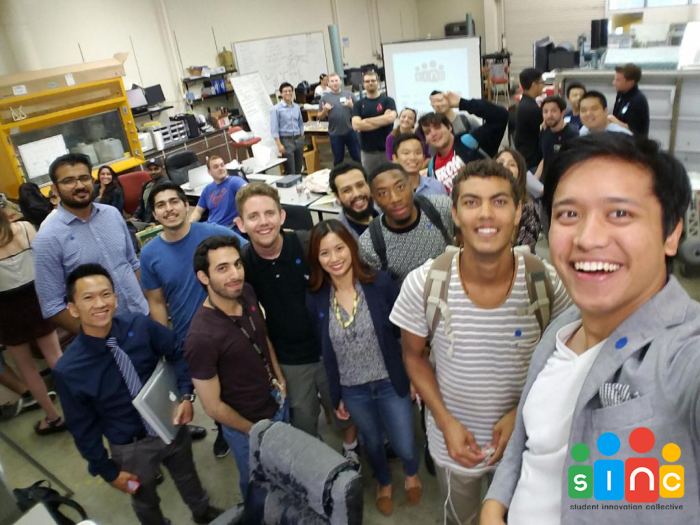
Inclusion in education is about ensuring that all students, regardless of their background or abilities, have access to quality learning experiences. To achieve this, educators can adopt various effective methods and practices tailored to meet the diverse needs of learners in an inclusive classroom. This section delves into some of these methods, highlighting the role of differentiated instruction and assistive technology.
Examples of Inclusive Teaching Methods
Inclusive teaching methods are designed to accommodate the varying learning styles, preferences, and needs of all students. Here are several effective strategies:
- Universal Design for Learning (UDL): This framework encourages educators to offer multiple means of engagement, representation, and action/expression, thus catering to diverse learners. For instance, some students may benefit from visual learning resources, while others may excel through auditory or kinesthetic activities.
- Cooperative Learning: This method promotes collaboration among students, allowing them to learn from each other. Group activities can be structured so that each member contributes based on their strengths, fostering a sense of belonging and teamwork.
- Scaffolding: Providing temporary support structures to assist students in mastering a concept can significantly enhance understanding. As students gain proficiency, these supports can gradually be removed, promoting independence.
Importance of Differentiated Instruction in Inclusive Classrooms
Differentiated instruction is vital in inclusive settings, allowing educators to tailor their teaching approaches based on the varied abilities and interests of their students. This method ensures that each student can engage with the material more effectively.
- Flexible Grouping: Students can be grouped based on their learning needs, interests, or proficiency levels for specific tasks, promoting a tailored educational experience.
- Varied Assessment Methods: Offering multiple ways to demonstrate understanding, such as projects, presentations, or traditional tests, allows all students to showcase their knowledge according to their strengths.
- Adjusting Learning Goals: Establishing individualized learning objectives helps students achieve personal milestones, giving them a sense of progress and accomplishment.
Use of Assistive Technology as a Strategy
Assistive technology plays a significant role in enhancing inclusion by providing tools that support learning for students with disabilities or special needs. These technologies can be tailored to individual requirements, making learning more accessible.
- Text-to-Speech Software: This tool helps students with reading difficulties by converting written text into spoken words, allowing them to engage with the material without being hindered by their reading challenges.
- Speech Recognition Software: For students who struggle with writing, speech recognition can facilitate the writing process by allowing them to dictate their thoughts, thus promoting their ability to express themselves.
- Graphic Organizers: Tools like mind maps and flow charts can aid students in organizing their thoughts visually, which is particularly useful for those who benefit from visual learning strategies.
“Integrating effective teaching methods and technology can create an inclusive environment where every student feels valued and capable of achieving their potential.”
Interdisciplinary Perspectives on Inclusive Education
Inclusive education thrives on the collaboration of various disciplines, each contributing unique insights and methodologies that enhance learning environments for all students. By integrating diverse perspectives, educators can develop strategies that address the multifaceted needs of learners, ensuring that no child is left behind. This interdisciplinary approach combines the social sciences, empirical research, natural and physical sciences, and computer science, each playing a vital role in promoting accessibility and inclusion.
Social and Empirical Sciences in Inclusive Education
The social and empirical sciences provide valuable frameworks for understanding the dynamics of inclusive education. These fields focus on the societal structures and psychological aspects that influence learning. Research in sociology and psychology helps identify barriers faced by students with disabilities or those from marginalized backgrounds. For example, studies reveal that a supportive classroom culture significantly enhances student engagement and learning outcomes.
The following points illustrate the contributions of these sciences:
- Understanding social interactions among peers can lead to strategies that promote peer support and collaboration.
- Research into cognitive and developmental psychology informs educators on differentiated teaching methods tailored to individual learning styles.
- Data-driven insights from empirical studies help in assessing the effectiveness of inclusive practices and interventions.
Integration of Natural and Physical Sciences
The natural and physical sciences play a crucial role in creating inclusive learning environments through hands-on experiences and real-world applications. These disciplines offer innovative teaching resources that cater to different learning preferences and abilities. For example, students may benefit from interactive science experiments that accommodate various sensory needs. The following examples highlight the integration of these sciences:
- Utilizing adaptive technologies in labs, such as modified equipment, enables students with physical disabilities to participate in scientific experiments.
- Environmental science projects can promote teamwork and inclusivity, encouraging students to collaborate on community-based initiatives.
- Inquiry-based learning in physics allows students to engage with concepts at their own pace, supporting diverse learners.
Role of Computer Science Education
Computer science education is pivotal in promoting accessibility and inclusion, as it equips students with essential skills for the digital age while addressing diverse learning needs. Through coding and technology, educators can create adaptive learning tools that cater to all students. Noteworthy contributions include:
- Development of assistive technologies, such as speech recognition software and screen readers, that facilitate learning for students with disabilities.
- Encouraging participation in robotics and programming clubs, which foster teamwork and problem-solving skills among students of varying abilities.
- Implementing online learning platforms that provide customizable experiences, enhancing accessibility for learners with different needs.
Comparative Anomalies and Alternative Science Approaches
Exploring anomalies and alternative science approaches can yield innovative methods for fostering inclusion in education. These perspectives challenge conventional scientific paradigms, encouraging educators to embrace diverse cognitive approaches. Critical aspects include:
- Investigating unconventional learning methods, such as inquiry-based science, which can engage students who struggle with traditional instructional techniques.
- Examining how alternative theories, like constructivism, can empower students to take ownership of their learning experiences.
- Understanding the impact of diverse cultural perspectives on scientific inquiry can broaden students’ horizons and enhance inclusivity in the curriculum.
Training Methods for Educators
Organizing training methods for educators that align with inclusive principles across various disciplines is essential for effective practice. Comprehensive training programs should encompass the following elements:
- Workshops on universal design principles, enabling educators to create accessible learning environments from the outset.
- Collaborative training sessions that encourage teachers from different disciplines to share strategies and resources for inclusive education.
- Continuous professional development focused on evidence-based practices, ensuring educators remain informed of the latest research and strategies in inclusive education.
Last Recap
In conclusion, the journey towards inclusive education strategies is not just about compliance, but about cultivating a culture of understanding and acceptance within schools. As we reflect on the rich tapestry of methods and perspectives discussed, it becomes clear that fostering inclusion is a collaborative effort that requires dedication from all educators. By embracing these strategies, we can create learning environments that empower every student to reach their full potential, ultimately enriching our society as a whole.
FAQ Insights
What is inclusive education?
Inclusive education refers to an educational approach that aims to ensure all students, regardless of their abilities or backgrounds, can learn together in the same environment.
Why is inclusive education important?
It promotes equity and social justice, allowing all students to access quality education and develop important social skills by interacting with diverse peers.
How can teachers implement inclusive education strategies?
Teachers can implement these strategies by using differentiated instruction, incorporating assistive technology, and fostering a supportive classroom environment.
What role does technology play in inclusive education?
Technology enhances learning opportunities by providing tools and resources that cater to various learning needs and styles.
How can parents support inclusive education?
Parents can support inclusive education by advocating for their child’s needs, collaborating with teachers, and fostering positive relationships with peers in the classroom.


